
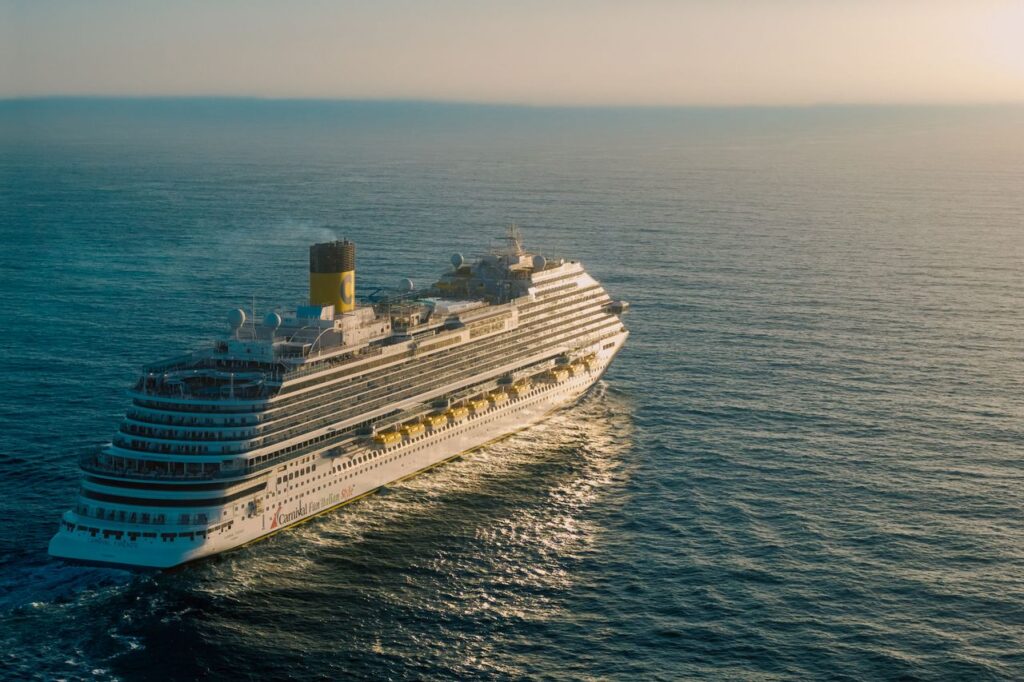
FIRST-TIME CRUISE TIPS
10 Cruise Mistakes First-Time Cruisers Should Avoid
Planning your first cruise? These common mistakes can cost you time, money and precious moments at sea — here’s how to avoid them.
BY KRISTINA MATEEVA • [11/08/2026] • [10 MIN READ]
WELCOME ABOARD
Your first cruise should feel exciting — not overwhelming, expensive or full of avoidable surprises.
After seven MSC cruises, I have learned that many of the things that can make or break a cruise happen before you even step on board. From choosing the wrong cabin to overlooking important reservations, small planning mistakes can quickly affect your budget and the entire experience.
This guide covers ten of the most common mistakes first-time cruisers make and, more importantly, how to avoid them. These are practical lessons based on real cruise experience, designed to help you save money, plan with confidence and enjoy every moment from embarkation day to your final port.
CRUISE QUICK FACTS
Everything you need to know at a glance
GUIDE TYPE
First-Time Cruise Guide
BEST FOR
New Cruisers
EXPERIENCE LEVEL
Beginner
KEY FOCUS
Planning & Avoiding Mistakes
YOUR JOURNEY STARTS HERE
IN THIS GUIDE
Use this overview to navigate through the most important parts of the guide.
- ARRIVING IN THE EMBARKATION CITY ON THE SAME DAY
- CHOOSING A CABIN WITHOUT CHECKING ITS LOCATION
- WAITING TOO LONG TO BOOK POPULAR EXPERIENCES
- UNDERESTIMATING THE TIME NEEDED TO RETURN TO THE SHIP
- LEAVING MOBILE DATA ON WHILE AT SEA
- CHOOSING A CRUISE SHIP BASED ONLY ON PRICE
- SKIPPING ONLINE CHECK-IN AND DOCUMENT PREPARATION
- PACKING THE WRONG CLOTHES FOR THE CRUISE
- NOT CHECKING WHAT IS ACTUALLY INCLUDED IN THE FARE
- IGNORING THE DAILY PROGRAMME AND SHOW RESERVATIONS
01 — EMBARKATION PLANNING
Arriving in the Embarkation City on the Same Day
A delayed flight, a transport strike or a missed connection can turn embarkation day into a race against time — and the ship will not wait for individual passengers.
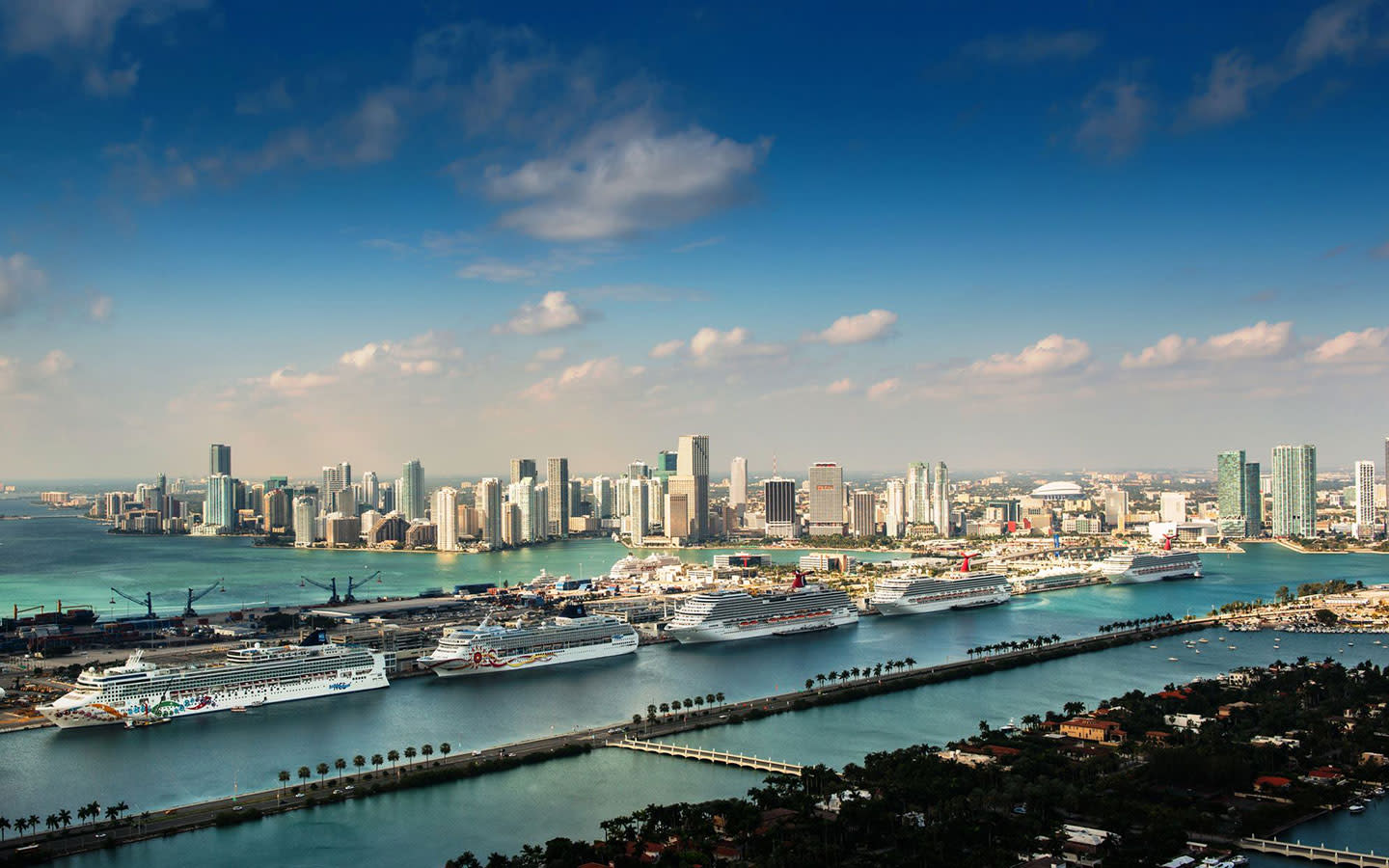
We almost always arrive in the embarkation city at least one day before departure. For long-haul destinations such as Miami, we have arrived several days earlier and used the opportunity to explore the city before the cruise. Apart from making the journey more enjoyable, this creates a valuable safety buffer for flight delays, missing luggage and unexpected changes.
We have made an exception only once, when we flew from Sofia to Rome on the morning of embarkation. It was an early direct flight arriving at around 8:00 a.m., the route operated several times that day, and we already knew the journey to Civitavecchia from previous cruises. Even then, the decision depended heavily on the ship’s departure time and the available alternatives. Civitavecchia has its own transport challenges, including occasional rail strikes, so a first-time visitor should always research the journey from Rome and prepare a Plan B, such as a pre-booked transfer.
Remember that the published departure time is not your arrival deadline. Cruise check-in and boarding close earlier, and the ship will not normally wait for passengers delayed on an independently booked flight or transfer.
02 — CABIN SELECTION
Choosing a Cabin Without Checking Its Location
The cabin category matters, but its exact location can have an even bigger impact on your comfort, sleep and daily experience on board.
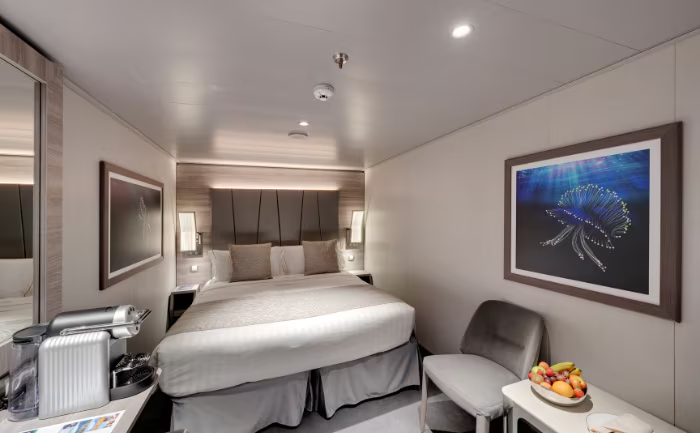
On the large MSC ships I have sailed, cabins between decks 10 and 13 have offered an excellent balance of comfort and convenience. I personally prefer being midship or towards the aft, where it is usually easier to reach the pools, bars, restaurants and shops. The bow can feel more isolated on some ships because parts of it may be occupied by the MSC Yacht Club or service areas, so the most direct route to the places you use every day is not always available.
Being close to an elevator is incredibly convenient, but being directly beside the main elevator lobby can mean late-night conversations, running children and constant foot traffic outside your door. Always study the deck plan carefully and check for crew staircases and service areas as well. We once had a cabin beside a crew staircase and regularly heard trolleys, luggage and early-morning activity. In contrast, one of our best locations was on MSC Euribia, close to a small side elevator that very few passengers used. It took us directly to the outdoor pool and an indoor bar, without any of the usual elevator noise or crowds.
BOARDINGBEYOND CRUISE TIP
If you are sensitive to motion, prioritise a midship cabin and consider a lower deck, where movement is generally felt less. If motion is not a major concern, focus on finding the best balance between easy access and enough distance from busy elevators, crew areas and entertainment venues.
03 — EXCURSIONS & DINING
Waiting Too Long to Book Popular Experiences
Popular shore excursions can sell out long before embarkation, especially when a small island receives thousands of cruise passengers on the same day.
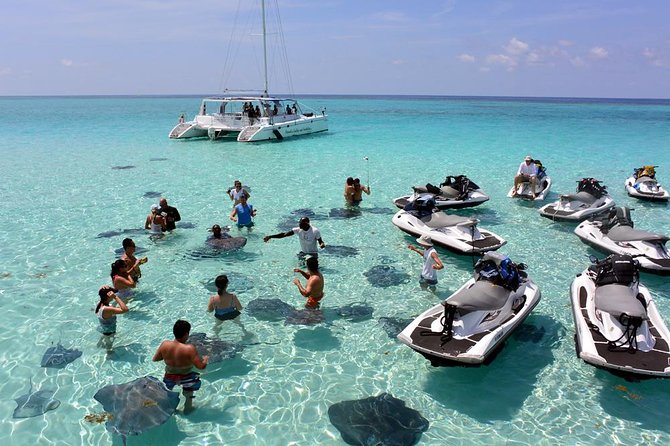
Whenever the cruise line sends me the available excursions after booking, I review them immediately. I do not use organised excursions as often in Europe, where many ports are relatively easy to explore independently, but I book them much more frequently in the Caribbean. The islands are smaller, local capacity is limited and the most attractive experiences can disappear quickly. Advance prices are also often discounted compared with booking later on board.
I learned this the hard way when we could not secure the excursions we wanted in the Bahamas, the Cayman Islands and Jamaica. I ended up searching frantically for independent alternatives, which added unnecessary stress to the trip. If an excursion is an important part of your itinerary, do not assume that you can decide after boarding — review the options early and reserve it while places are still available.
Speciality dining can work differently. On our cruises, the restaurants have often released attractive day-by-day offers on board, so I prefer to check the daily promotions before making a dining reservation rather than booking every restaurant in advance.
04 — RETURNING TO THE SHIP
Underestimating the Time Needed to Return to the Ship
The distance back to the ship can be far greater than it appears on a map, and a small miscalculation may leave you running towards the gangway.
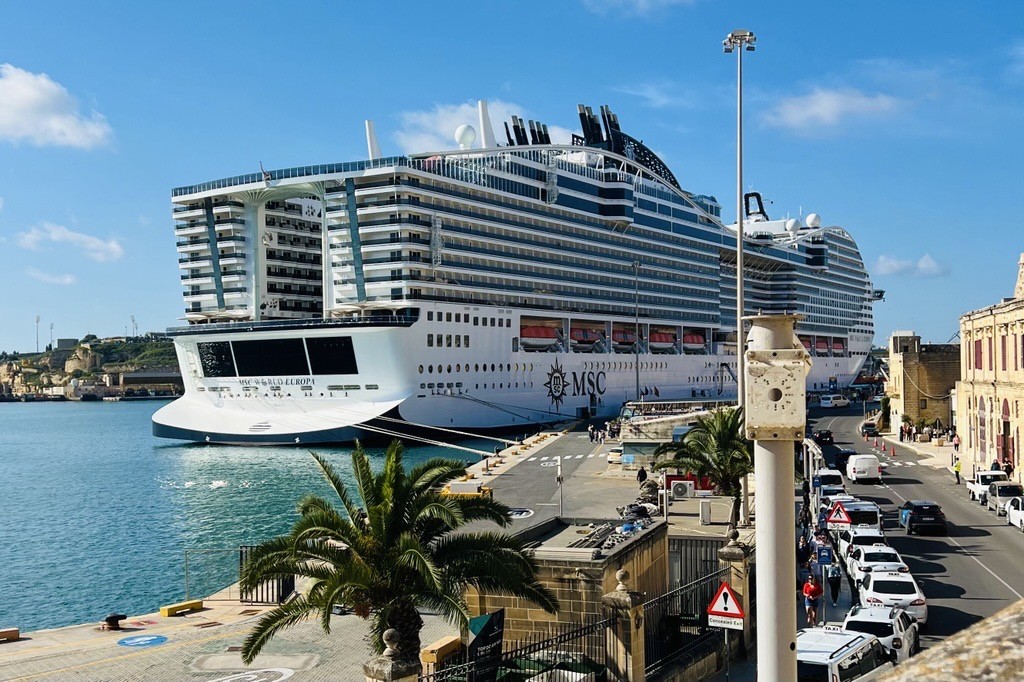
We normally aim to be back on board around one hour before the official all-aboard time. This gives us peace of mind and helps us avoid the long queues that often form during the final minutes. However, we have misjudged the distance and transport time on a few occasions and arrived only five minutes before the deadline. Some cruise ports are enormous, and reaching the ship may require a shuttle bus, taxi or a surprisingly long walk even after you have technically returned to the port.
During a cruise through the Norwegian fjords, our ship waited approximately 40 minutes for an older couple in Ålesund. Announcements were made and the ship repeatedly sounded its horn while everyone wondered whether it would eventually depart without them. They made it back, but passengers are not always so fortunate. A cruise line may wait for one of its organised excursions, but travellers exploring independently should never assume that the ship will delay departure for them.
We check the all-aboard time in the cruise app and always look for the large information board beside the gangway when leaving the ship. Taking a quick photo of that board is one of the easiest ways to keep the correct time, terminal and emergency information with you throughout the day.
BOARDINGBEYOND CRUISE TIP
Photograph the port information board as you leave the ship and set an alarm on your phone well before all-aboard time. When exploring independently, allow extra time for traffic, shuttle buses, large terminals and the walk from the port entrance to the gangway.
05 — MOBILE DATA AT SEA
Leaving Mobile Data On While at Sea
EU roaming rules do not protect you when your phone connects to a ship’s satellite-based maritime network — even during a European cruise.
We learned this lesson while sailing from Ibiza towards Italy on a sea day. Only around an hour after leaving Ibiza, the phone automatically connected to the maritime network. Within approximately ten minutes, we received a notification that the mobile bill had already reached its €100 spending limit. There was no deliberate browsing or warning that felt dramatic enough beforehand — the connection happened automatically, and the charges accumulated almost instantly.
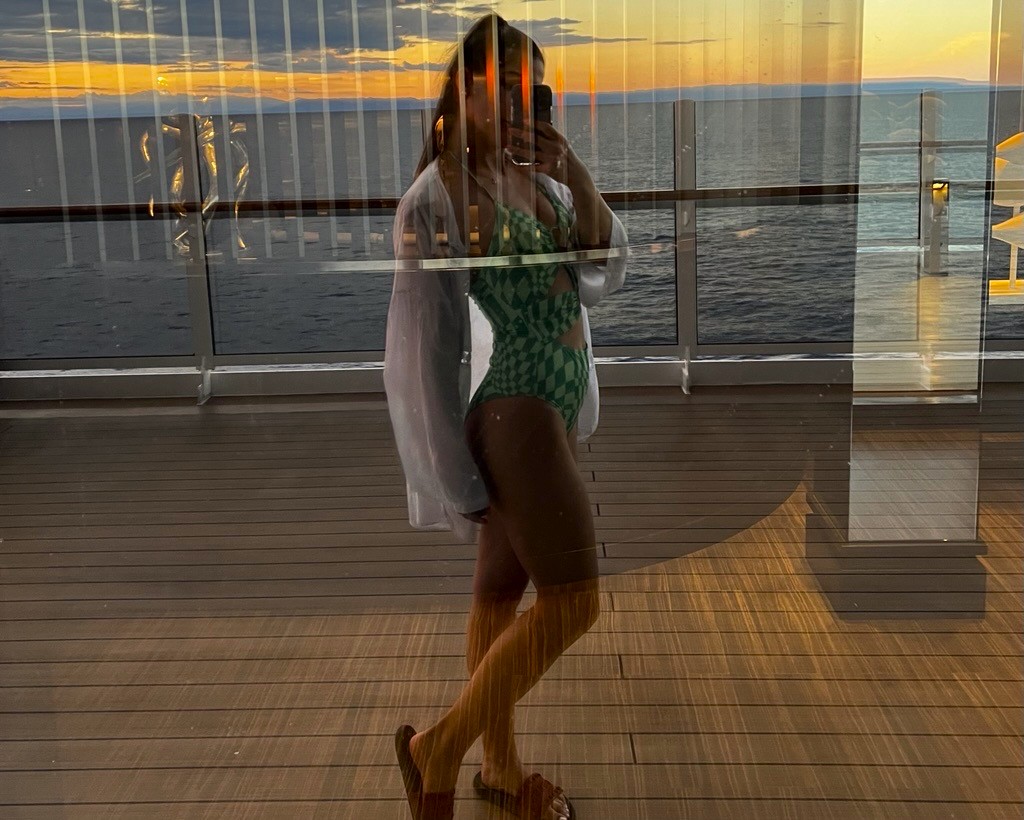
Since then, we switch our phones to airplane mode as soon as the ship leaves the port. I often keep my connection until the last possible moment to upload one final Instagram story, but it is genuinely risky once the ship starts moving away from land. You can keep airplane mode activated and switch Wi-Fi back on separately if you have purchased an onboard internet package.
On European itineraries, we normally use our regular roaming connection while the ship is safely in port. For Caribbean cruises, where sea days and island hopping make mobile coverage less predictable, we usually purchase an onboard Wi-Fi package instead.
BOARDINGBEYOND CRUISE TIP
Activate airplane mode before the ship leaves the port, then switch Wi-Fi on separately if you have an internet package. When you arrive at the next destination, reconnect only after confirming that your phone is using a normal land-based mobile network rather than a maritime one.
06 — CHOOSING THE RIGHT SHIP
Choosing a Cruise Ship Based Only on Price
A low fare may look irresistible, but the ship itself can shape your holiday just as much as the itinerary.
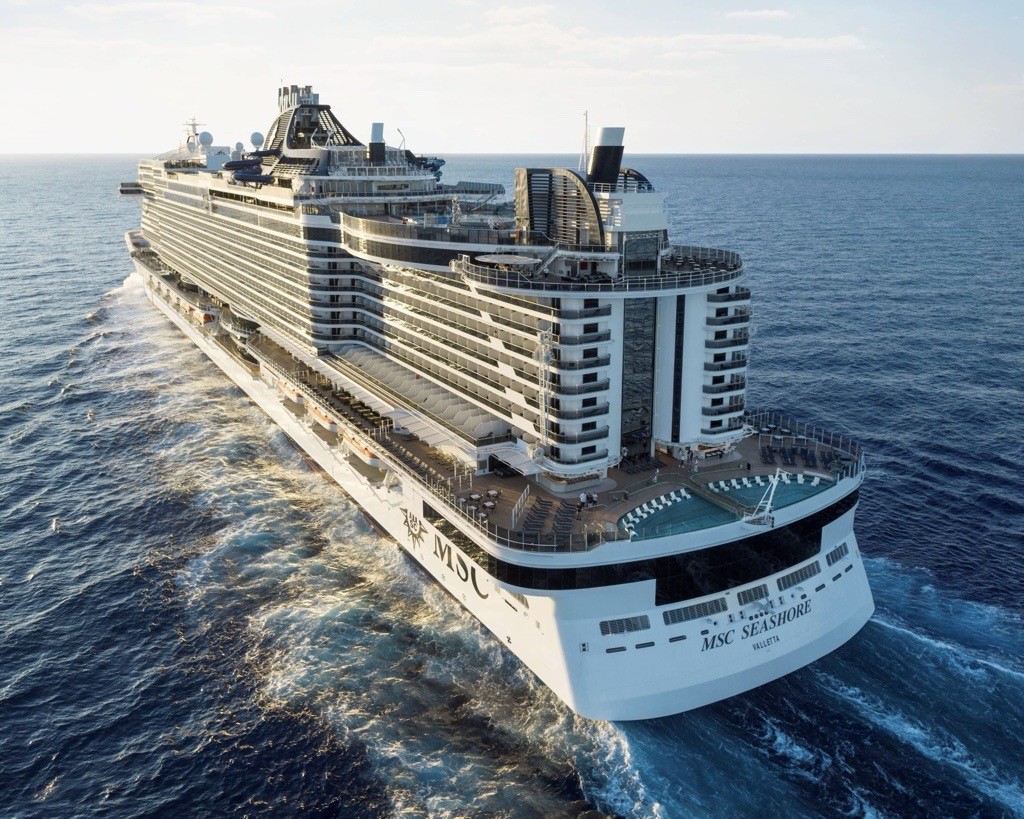
Before booking, I always check the ship’s size, category and launch year. I normally choose the larger five-anchor mega-ships, and almost every ship we have sailed on has been no more than three years old at the time of our cruise. On three occasions, we even boarded ships that had entered service only a few months earlier. After several brand-new ships, we tried one that was around five years old and noticed the difference immediately — it is surprisingly easy to become spoiled by the newest designs and facilities.
Our cruises have included MSC Euribia, MSC Virtuosa, MSC Seascape, MSC Seashore, MSC Seaside, MSC World Europa and Costa Toscana. MSC ships generally have a distinctive and impressive design, but age and maintenance still matter. Older ships are often behind the lowest promotional fares, and visible wear can make the experience feel closer to a busy budget all-inclusive resort. I would still consider an older ship for an exceptional itinerary, but ideally it should have been built or thoroughly refurbished within the previous seven years.
The atmosphere also depends on the ship and itinerary. Some smaller ships and routes attract a more mature crowd and offer a quieter programme, while our Caribbean sailing was filled with younger couples and groups of friends and felt like a genuine party cruise. We also try to choose itineraries with no more than one sea day. If a route is particularly special and keeps us ashore for long days, I am more willing to compromise on the ship — but only within reason.
For a first cruise, an older ship may still feel extraordinary because everything is new. Once you have experienced the newest generation of mega-ships, however, it becomes much harder not to notice the difference. Compare the ship, itinerary, onboard atmosphere and year of refurbishment before allowing the lowest price to make the decision for you.
07 — CHECK-IN & DOCUMENTS
Skipping Online Check-In and Document Preparation
Completing online check-in early can save valuable time at the terminal, but it does not replace careful preparation of your travel documents.
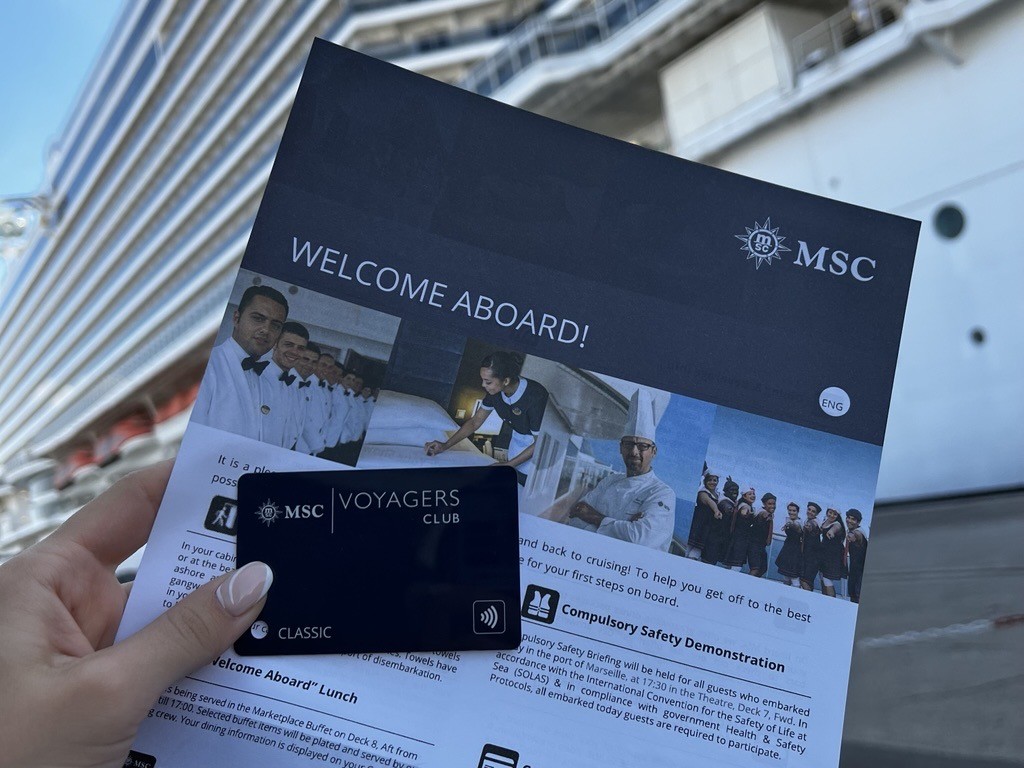
MSC currently allows guests to complete Web Check-In after their booking is confirmed and up to two days before departure, although the exact availability in the MSC for Me app may vary. We complete it as soon as it becomes available for our booking. When our information has already been submitted, the embarkation process is usually much faster and we can proceed directly through the remaining document checks and receive our cruise cards.
We still print our cruise documents every time. Every terminal operates slightly differently, internet access can fail and a document that was accepted digitally at one port may be requested in printed form at another. Before travelling, we check our passports or national identity cards, their validity, any visa or entry requirements, and our travel insurance. An EU identity card may be sufficient for some European itineraries, but passengers should always verify the requirements for their nationality and every country included in the route.
Embarkation in Miami has consistently taken longer for us than at European ports because the immigration and security checks are more extensive, particularly as European travellers. It is also important to respect the assigned embarkation slot shown on the cruise ticket. Arriving at the correct time helps the terminal manage passenger flow and reduces the chance of spending the beginning of your holiday in a long queue.
BOARDINGBEYOND CRUISE TIP
Keep your passport or identity card, cruise ticket, insurance details, visas and any required confirmations in your carry-on bag — never inside checked luggage. Save digital copies on your phone, but carry printed copies as a reliable backup.
08 — CRUISE WARDROBE
Packing the Wrong Clothes for the Cruise
A cruise wardrobe needs to cover far more than the weather at your destination — often within the same day.
When sailing with MSC, I normally pack a different evening outfit — usually a dress — for every night, together with several pairs of heels or at least one versatile pair that works with everything. MSC cruises often include themed evenings, while most major cruise lines organise at least a White Night and a Gala Night. Dressing formally is not compulsory, but smart-casual clothing is a good choice if you plan to enjoy the main dining rooms and evening venues rather than eat exclusively at the buffet.
We learned this during our first cruise from Miami, when we brought mostly casual clothes and felt noticeably underdressed during the evening programme. There is nothing wrong with choosing comfort, but it is better to understand the onboard atmosphere beforehand and pack accordingly. Check the cruise app or pre-departure information for the planned themed nights, while remembering that the final programme may still change.
Cruise packing also needs to cover everything outside the evening programme. Comfortable walking shoes are essential for excursions, and I always bring gym clothes even though I somehow never make it to the gym. Pack swimwear regardless of the season: even during our Norwegian cruise, we used the heated indoor pools and hot tubs. Tropical itineraries require good sun protection and after-sun lotion, while destinations such as Norway call for waterproof clothing and practical layers.
The best cruise wardrobe combines evening outfits, comfortable excursion clothing, swimwear and destination-specific protection. Packing only for the weather — or only for the glamorous side of cruising — usually means missing something important.

09 — CRUISE COSTS
Not Checking What Is Actually Included in the Fare
The advertised cruise fare is rarely the complete cost of the holiday, and the extras can add up surprisingly quickly.
Hotel service charges are one of the easiest costs to overlook. Depending on the cruise line, itinerary, fare and booking market, they may already be included, paid in advance or added to your onboard account. We have seen them charged night by night and, on other cruises, added as one amount at the end. A charge of approximately €12 per night becomes €84 per person on a seven-night cruise, so it is not a minor detail when travelling as a couple or family.
I prefer to pay the service charge in advance whenever that option is available. If the booking agent does not clearly confirm whether it is included, ask directly and check the written booking conditions. The same applies to Wi-Fi, drinks, speciality restaurants, excursions, spa treatments and professional photographs. Wi-Fi packages in particular can be extremely expensive, while drinks packages are often offered at a better promotional price before embarkation.
Before purchasing a drinks package, calculate realistically how much you are likely to consume. My personal rule of thumb is that it can make sense if you expect to have more than four chargeable drinks per day, but package prices and inclusions vary considerably between ships and promotions. In our experience, basic water, coffee and juice may be available only at particular buffet stations or during certain meal periods, rather than everywhere on board.
Never assume that two cruises with the same company include exactly the same services. Read the fare conditions for the specific ship and sailing, then estimate the total cost before comparing offers.

BOARDINGBEYOND CRUISE TIP
Before paying the deposit, ask for written confirmation of the hotel service charge, drinks, Wi-Fi, dining and any mandatory destination fees. A slightly higher fare with useful extras included may be cheaper than the lowest headline price.
10 — DAILY PROGRAMME
Ignoring the Daily Programme and Show Reservations
The daily programme is not something to check only when you are bored — it can determine which shows, events and offers you actually manage to enjoy.
On many of our cruises, evening shows have required advance reservations. The easiest option is usually the cruise line’s app, although many ships also have interactive screens around the public areas. The following day’s programme normally becomes available the evening before, and we try to reserve our preferred show as soon as it appears. If we wait until the next day, the chance of finding places at a convenient time can be very small.
We have missed several performances simply because we did not reserve them early enough. Even when the theatre is included in the cruise fare, its capacity is limited and thousands of passengers may be choosing between the same few showtimes. Assuming that you can walk in immediately before the performance is one of the easiest ways to miss part of the onboard entertainment.
The programme is also where we check the evening dress code and themed events, so we are not unexpectedly dressed for a casual dinner on Gala Night or White Night. It includes the locations and times of daytime activities, parties and live music, as well as promotions for drinks, speciality restaurants and other onboard experiences. We follow it very carefully — including, of course, where and when the cocktails are discounted.
Until recently, we always received a printed daily programme in our cabin. On our 2026 cruise, however, the information was available only digitally as part of the cruise line’s move towards reducing paper use. Do not assume that a printed copy will be delivered to your cabin: download the app before embarkation, learn how it works and check the next day’s schedule every evening.

BOARDINGBEYOND CRUISE TIP
Check the next day’s programme every evening and reserve your preferred show immediately. Take a screenshot of the schedule in case the onboard app or Wi-Fi connection becomes unreliable, and note any dress code, themed parties and limited-time promotions.
BEFORE YOUR CRUISE
The Quick Cruise Checklist
A little preparation can prevent most of these mistakes. Save this checklist and review it before your next cruise.
- Research the cabin location before choosing a cabin number.
- Arrive in the embarkation city at least one day early.
- Review popular shore excursions as soon as they become available.
- Plan to return at least one hour before all-aboard time.
- Activate airplane mode before the ship leaves the port.
- Compare the ship’s age, size and atmosphere — not only the fare.
- Complete online check-in and print your cruise documents.
- Keep all essential documents in your carry-on luggage.
- Pack for excursions, pools, themed nights and formal evenings.
- Confirm service charges and other extras before paying the deposit.
- Download the cruise app before embarkation.
- Check the next day’s programme and reserve shows every evening.
FINAL THOUGHTS
A Better Cruise Begins Before Embarkation
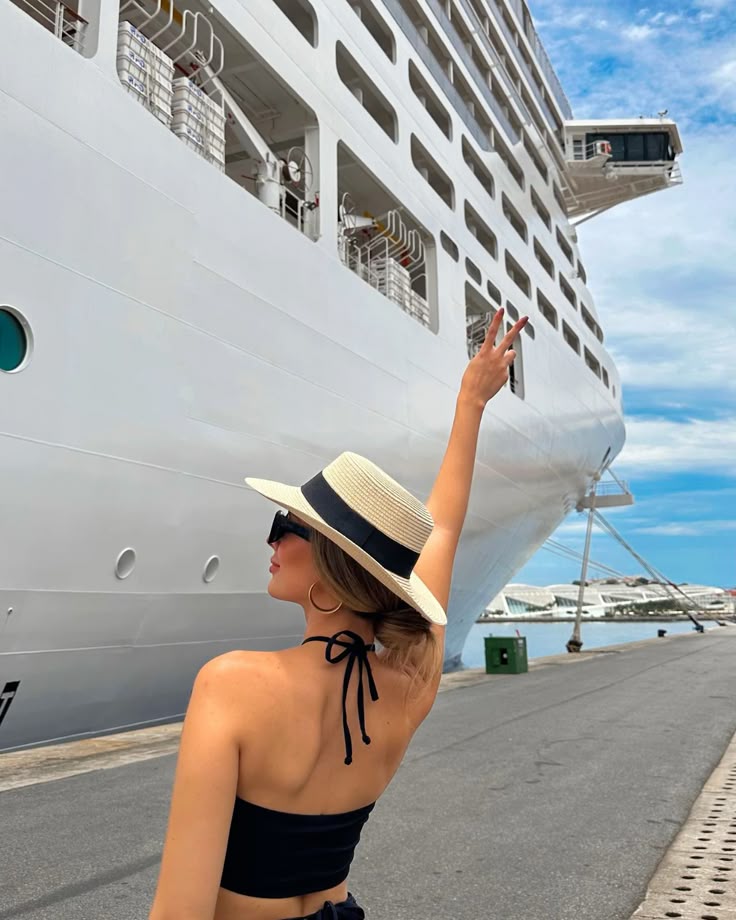
Cruising can be one of the easiest and most exciting ways to experience several destinations in a single holiday, but the small decisions made before embarkation often shape the entire trip. Choosing the right cabin and ship, preparing your documents, understanding the additional costs and planning your time ashore can prevent most of the stressful surprises first-time cruisers experience.
After seven cruises, we still learn something new on almost every sailing — sometimes through experience and sometimes through an unexpectedly expensive €100 maritime connection. You do not need to plan every minute of your holiday, but knowing what deserves attention allows you to relax and enjoy everything else once you step on board.
Planning your first MSC sailing? Read my complete guide to your first MSC cruise for everything you need to know before embarkation.
— Kristina, BoardingBeyond
GOOD TO KNOW
FREQUENTLY ASKED QUESTIONS
Quick answers to the most common questions about this topic.
What is the biggest mistake first-time cruisers make?
One of the biggest mistakes is choosing a cruise based only on price without researching the ship, cabin location, itinerary and additional costs. The cheapest fare may not provide the best overall experience, especially if the ship or schedule does not match your travel style.
How early should you arrive before a cruise?
I recommend arriving in the embarkation city at least one day before departure. Flight delays, cancellations and transport problems can cause unnecessary stress, while the cruise ship will not normally wait for independently arriving passengers. Travelling a day early gives you time to rest and begin embarkation without rushing.
When should you book cruise excursions?
Book any excursion that is important to you as soon as the cruise line makes it available, especially for Caribbean itineraries and smaller islands where capacity is limited. Popular experiences can sell out before embarkation, and advance bookings are often offered at a discounted price.
How early should you return to the cruise ship?
I recommend returning to the ship around one hour before the official all-aboard time. Allow additional time when exploring independently, especially if you depend on taxis, shuttle buses or long walks through a large port. The ship may not wait for passengers who are late.
Should you keep mobile data on during a cruise?
No. Activate airplane mode before the ship leaves the port to prevent your phone from automatically connecting to an expensive maritime satellite network. If you have purchased an onboard internet package, keep airplane mode activated and switch Wi-Fi on separately.
KEEP EXPLORING
RELATED CRUISE GUIDES
More practical tips and inspiration for planning your next cruise.

CRUISE TIPS
RELATED ARTICLE TITLE GOES HERE
READ THE GUIDE →
LET’S KEEP IN TOUCH
Have a question or a cruise experience to share? Leave a comment below and follow BoardingBeyond for more travel inspiration and practical guides.